

Waterproofing a Basement From Outside: What Homeowners Should Know
Water in your basement is never something to ignore. Whether you've noticed damp walls, musty odors, or standing water after heavy rain, moisture can lead to mold growth, damaged belongings, and even foundation issues over time.
One solution homeowners often research is waterproofing a basement from outside. Unlike interior systems that manage water after it enters the basement, exterior waterproofing is designed to stop water before it ever reaches your foundation walls.
That said, exterior basement waterproofing isn't the right solution for every home. The best approach depends on what's causing the water intrusion, your home's construction, and the condition of the surrounding soil and drainage.
In this guide, we'll explain how exterior basement waterproofing works, when it's recommended, and how to determine the best waterproofing solution for your home.
What Does Waterproofing a Basement From Outside Mean?
Exterior basement waterproofing is the process of protecting your home's foundation by preventing groundwater from reaching the basement walls. Instead of managing water after it enters the home, this method creates a protective barrier around the outside of the foundation.
While every home is different, exterior waterproofing projects typically involve:
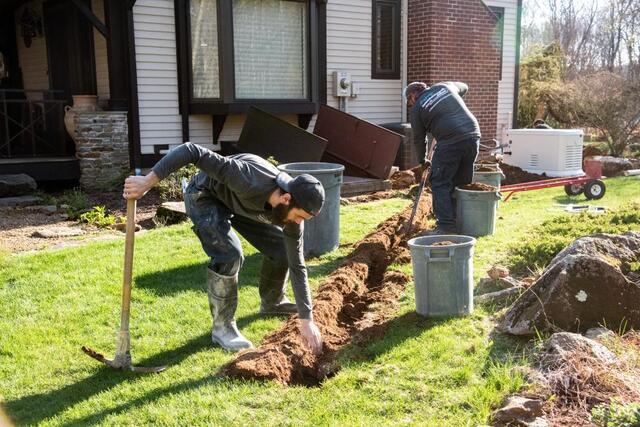
- Excavating the soil around the foundation walls
- Inspecting and repairing foundation cracks if needed
- Applying a waterproof membrane or protective coating
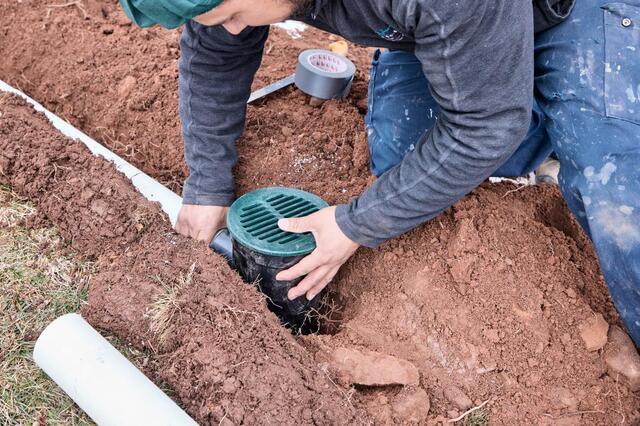
- Installing or improving an exterior drainage system, such as a French drain
- Backfilling the excavation with proper drainage materials before restoring the landscaping
The goal is simple: keep water away from your foundation whenever possible. When paired with proper grading, functioning gutters, and effective drainage, exterior waterproofing can provide long-term protection against basement moisture and water intrusion.
When Is Exterior Basement Waterproofing the Best Option?
Not every wet basement requires exterior waterproofing. In many cases, the most effective solution depends on where the water is coming from and how it's entering your home. A professional inspection can identify the source and recommend the right approach.
Exterior basement waterproofing is often recommended when:
- Water is seeping directly through foundation walls.
- Existing exterior waterproofing has deteriorated over time.
- Foundation cracks allow groundwater to enter.
- Your home experiences recurring leaks despite interior repairs.
- You're building a new home or completing major foundation work, making excavation more practical.
While exterior waterproofing is highly effective in many situations, it may be combined with interior drainage systems, sump pumps, or other waterproofing solutions to provide the best long-term protection.
| Situation | Is Exterior Waterproofing Recommended? | Why |
| Water seeping through foundation walls | Often | Stops water before it enters |
| New construction | Ideal | Easier before landscaping is complete |
| Minor isolated crack | Sometimes | Depends on the cause of the leak |
| High groundwater or poor drainage | Often combined | Multiple solutions may be needed |
Every home is unique. Soil conditions, grading, the age of the foundation, and your property's drainage all play a role in determining the most effective waterproofing solution.
How Exterior Basement Waterproofing Works
While every project is different, most exterior basement waterproofing jobs follow the same general process.
Inspect the Foundation
The first step is identifying where water is entering and evaluating the condition of the foundation. This helps determine whether cracks, deteriorated waterproofing, or drainage issues are contributing to the problem.
Excavate Around the Foundation
The soil surrounding the affected foundation walls is carefully excavated to expose the exterior surface. This gives contractors full access to inspect, repair, and waterproof the foundation.
Repair Cracks and Surface Damage
Before waterproofing materials are applied, any visible cracks or damaged areas are repaired to create a solid, stable surface.
Apply a Waterproof Membrane
A waterproof membrane or specialized coating is installed on the exterior foundation walls to create a barrier that helps prevent groundwater from penetrating the concrete.
Install or Improve Exterior Drainage
Many projects also include exterior drainage improvements, such as French drains or other drainage systems that direct water safely away from the home's foundation. This helps reduce hydrostatic pressure and minimizes the risk of future water intrusion.
Backfill and Restore the Property
Once the waterproofing system is complete, the excavated soil is replaced, and landscaping is restored as much as possible, leaving the home protected while returning the property to its original appearance.
Exterior Waterproofing vs. Interior Waterproofing: What's the Difference?
Both exterior and interior basement waterproofing are designed to protect your home from water damage, but they work in different ways. One isn't automatically better than the other—the right solution depends on the source of the water and the condition of your basement.
| Exterior Waterproofing | Interior Waterproofing | Best For |
| Stops water before it reaches the foundation | Manages water after it enters | Different moisture problems |
| Requires excavation around the home | Installed inside the basement | Less disruptive installation |
| Protects foundation walls from constant moisture | Redirects water to a drainage system and sump pump | Ongoing water management |
| Often paired with exterior drainage improvements | Often paired with crack repairs and drainage systems | Comprehensive waterproofing plans |
In many cases, the most effective solution isn't choosing one over the other—it's combining multiple waterproofing methods to address the root cause of the problem. A professional inspection can determine whether your home would benefit from exterior waterproofing, interior waterproofing, or a combination of both.
Pros and Cons of Waterproofing a Basement From Outside
Exterior basement waterproofing offers several long-term benefits, but like any major home improvement project, it's important to understand both the advantages and the considerations before deciding on the best solution.
| Benefits | Considerations |
| Helps stop water before it reaches the foundation | Requires excavation around the home |
| Reduces hydrostatic pressure against foundation walls | Landscaping may need to be temporarily disturbed |
| Helps protect foundation walls from long-term moisture exposure | Not every basement requires exterior waterproofing |
| Can be part of a long-lasting waterproofing solution | Professional evaluation is recommended to determine the right approach |
While excavation may sound like a significant project, it can be the most effective solution when water is consistently entering through the foundation walls. The key is making sure the waterproofing method matches the actual cause of the problem rather than simply treating the symptoms.
Can You Waterproof Your Basement From Outside Yourself?
Some homeowners consider tackling exterior basement waterproofing as a DIY project, but it's important to understand what's involved before getting started.
Waterproofing a basement from outside typically requires:
- Excavating around part or all of the home's foundation
- Safely working around utility lines and landscaping
- Repairing foundation cracks when necessary
- Installing waterproof membranes correctly
- Ensuring exterior drainage directs water away from the home
- Backfilling the excavation without creating future drainage problems
Because the process involves specialized equipment, significant labor, and careful installation, exterior basement waterproofing is generally best left to experienced professionals. Improper installation can allow water to continue entering the basement, leading to additional repairs down the road.
If you're unsure whether exterior waterproofing is even necessary, scheduling a professional inspection is often the best first step. Identifying the source of the moisture can help you avoid investing in a solution that doesn't fully address the problem.
How HomeSpec Determines the Right Waterproofing Solution
No two basements leak for exactly the same reason. That's why the best waterproofing solution starts with understanding where the water is coming from—not just where it's showing up.
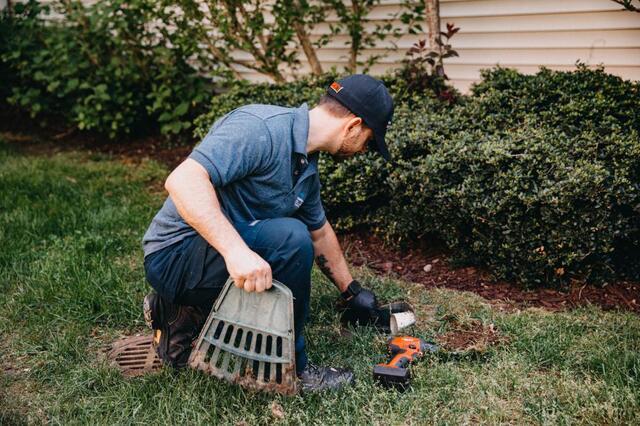
At HomeSpec, every waterproofing recommendation begins with a thorough inspection of your basement, foundation, drainage, and surrounding property. Factors like soil conditions, grading, foundation cracks, hydrostatic pressure, and existing drainage systems all help determine the most effective solution.
Depending on what we find, we may recommend:
- Exterior basement waterproofing
- Interior drainage systems
- French drains
- Sump pump installation or replacement
- Foundation crack repair
- Improvements to grading or exterior drainage
Our goal isn't to recommend the biggest project; it's to recommend the right one. By addressing the source of the moisture, we help homeowners protect their basements and foundations with solutions designed for long-term performance.
If you're experiencing water in your basement, HomeSpec offers free inspections to help identify the cause and recommend the best path forward.
Protect Your Basement Before Water Damage Gets Worse
Water problems rarely improve on their own. Even small leaks can lead to mold growth, damaged belongings, foundation deterioration, and costly repairs if left untreated.
Waterproofing a basement from outside can be an excellent long-term solution for homes where groundwater is entering through the foundation. In other cases, an interior drainage system or a combination of waterproofing methods may provide better protection.
The key is identifying the source of the problem before choosing a solution.
If you've noticed moisture, damp walls, or recurring basement leaks, the HomeSpec team can evaluate your home and recommend a waterproofing plan that's tailored to your property's specific needs.
Frequently Asked Questions About Basement Waterproofing
Is waterproofing a basement from outside better than waterproofing from inside?
Not necessarily. Exterior waterproofing prevents water from reaching the foundation walls, while interior waterproofing manages water that has already entered. The best option depends on the cause of the moisture, and some homes benefit from both systems working together.
How long does exterior basement waterproofing last?
When installed correctly using quality materials and proper drainage practices, exterior basement waterproofing can provide long-lasting protection. Regular maintenance of gutters, grading, and drainage systems can also help extend its effectiveness.
Do you have to excavate to waterproof a basement from outside?
Yes. Exterior waterproofing typically requires excavating around the foundation to access the outside walls, repair any damage, and install waterproof membranes or drainage systems.
Can exterior waterproofing stop basement leaks?
It can be highly effective when leaks are caused by groundwater entering through the foundation walls. However, leaks caused by plumbing issues, window wells, or other sources may require different solutions.
What's the difference between a waterproof membrane and a damp-proof coating?
A waterproof membrane is designed to prevent water from penetrating foundation walls, while a damp-proof coating primarily resists moisture but may not withstand significant hydrostatic pressure or standing water.
Is exterior basement waterproofing worth it?
For homes experiencing persistent water intrusion through foundation walls, exterior waterproofing can provide long-term protection and help reduce future water damage. The best way to determine if it's the right investment is with a professional inspection.
Can exterior waterproofing help prevent mold?
Yes. By reducing moisture around the foundation and helping keep the basement dry, exterior waterproofing can lower the conditions that allow mold and mildew to grow.
Does HomeSpec offer exterior basement waterproofing?
Yes. HomeSpec provides comprehensive basement waterproofing solutions, including exterior waterproofing, drainage improvements, sump pump systems, and foundation crack repair. During a free inspection, our team will recommend the solution that's best suited to your home.
