

Water in Your Basement?
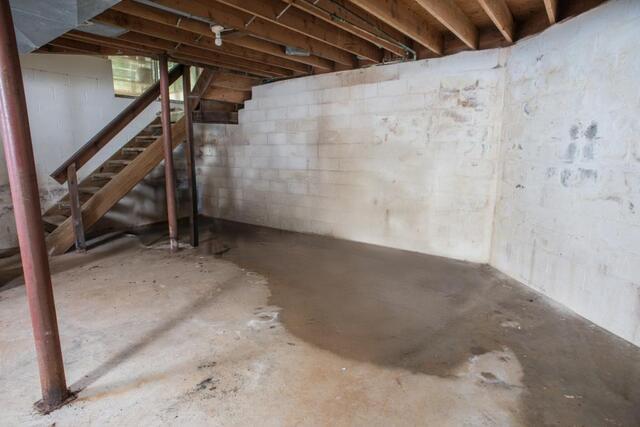
Whether you've noticed a wet basement floor, damp walls, or standing water after a heavy rain, it's important to identify the source before the problem gets worse. Water in your basement can lead to mold growth, structural damage, musty odors, and costly repairs if left untreated.
At HomeSpec Waterproofing & Foundation Repair, we help homeowners throughout Ann Arbor, Westland, and Metro Detroit find the real cause of basement water problems and recommend long-lasting waterproofing solutions. Every home is different, which is why we start with a thorough inspection and create a solution tailored to your property's needs.
If you're dealing with water in your basement, don't wait for the damage to spread. Our experienced team is here to help protect your home and restore your peace of mind.
Water in Your Basement Doesn't Always Mean a Major Foundation Problem
Finding water in your basement can be alarming, but it doesn't automatically mean your home's foundation is failing. In many cases, water enters through drainage issues, hydrostatic pressure, foundation cracks, or aging waterproofing systems. The key is determining where the water is coming from and why it's getting inside.
Some homeowners notice water only after heavy rain, while others deal with damp basement walls or a constantly wet basement floor. Although the symptoms may look similar, the underlying causes can be very different.
That's why HomeSpec begins every project with a comprehensive inspection. We'll identify the source of the moisture, explain what's happening, and recommend the right waterproofing solution—without suggesting repairs you don't need.
Free Basement Inspection
Not sure what's causing the water in your basement? Our waterproofing specialists will identify the source, answer your questions, and provide honest recommendations tailored to your home.
Why Is There Water in My Basement?
Water can enter your basement in several different ways, and the source isn't always obvious. Some homeowners notice water only after a heavy rain, while others deal with damp walls, wet floors, or moisture that seems to appear year-round. Understanding where the water is coming from is the first step toward choosing the right waterproofing solution.
Below are some of the most common basement water problems we see throughout Ann Arbor, Westland, and Metro Detroit.
Water in Basement After Heavy Rain
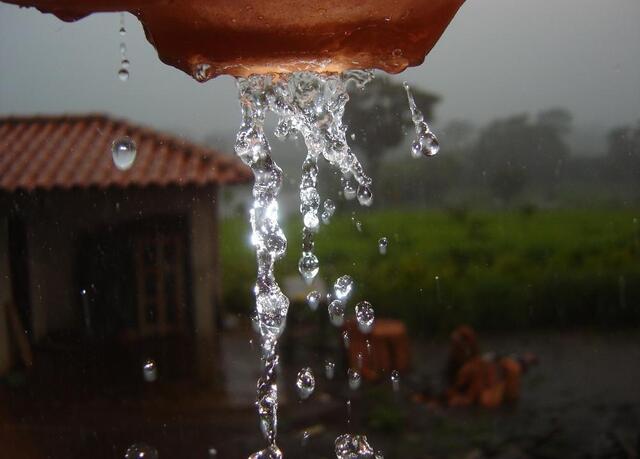
If your basement only gets wet after a storm, excess groundwater is often the culprit. Heavy rainfall can saturate the soil surrounding your foundation, creating hydrostatic pressure that forces water through cracks, joints, or porous concrete. Poor grading, clogged gutters, short downspouts, or overwhelmed drainage systems can make the problem even worse.
Even if the water disappears after it dries, repeated moisture can damage your foundation, encourage mold growth, and lead to more extensive repairs over time.
Wet Basement Walls
Wet basement walls are often one of the first signs that water is finding its way into your home. You may notice dark spots, peeling paint, damp concrete, or white mineral deposits (known as efflorescence) forming on the surface.
These symptoms are commonly caused by foundation wall cracks, hydrostatic pressure, deteriorating waterproofing materials, or water seeping through the porous concrete itself. While the moisture may seem minor at first, it often indicates an underlying waterproofing issue that should be addressed before it worsens.
Wet Basement Floor
A wet basement floor can range from small puddles to standing water covering large areas of the basement. In some homes, the water appears where the wall meets the floor, while in others it may seep up through cracks in the concrete slab.
This can happen when groundwater builds beneath the foundation, interior drainage systems become overwhelmed, or water finds its way through small openings in the basement floor. Even a small amount of recurring water can damage flooring, stored belongings, and create the damp conditions mold needs to grow.
Water Coming Up Through the Basement Floor
If it looks like water is rising directly through your basement floor, the problem is often related to hydrostatic pressure beneath your home. As groundwater builds below the concrete slab, pressure can force water upward through floor cracks, expansion joints, or other weak points.
This type of water intrusion usually won't improve on its own. In many cases, an interior drainage system and sump pump work together to safely collect and redirect the water before it reaches your living space.
Water Leaking Through Basement Walls
Water leaking through basement walls often appears as damp streaks, active drips, or moisture collecting along cracks and joints. Exterior soil pressure, aging waterproofing systems, foundation movement, and poor drainage around the home can all contribute to this type of leak.
While sealing visible cracks may seem like a quick fix, it's important to address the underlying source of the moisture. A professional inspection can determine whether your home needs crack repair, improved drainage, or a complete waterproofing solution.
Common Signs of Basement Water Problems
Water doesn't always show up as a large puddle on your basement floor. In many cases, the early warning signs are easy to overlook until the problem becomes more serious. If you've noticed any of the following symptoms, your home may benefit from a professional basement waterproofing inspection.
✔ Wet basement walls
✔ Wet basement floor
✔ Water where the wall meets the floor
✔ Standing water or recurring puddles
✔ Water coming through foundation wall or floor cracks
✔ Musty odors or persistent dampness
✔ White mineral deposits (efflorescence) on concrete walls
✔ Peeling paint or stained basement walls
✔ Mold or mildew growth
✔ Rust on appliances or metal fixtures
✔ High humidity or condensation in the basement
✔ Damp carpet, flooring, or stored belongings
Noticing one or more of these signs? Even small amounts of moisture can lead to larger problems over time. A professional inspection can identify the source and help prevent further damage.
Wet Basement Walls vs. Wet Basement Floor
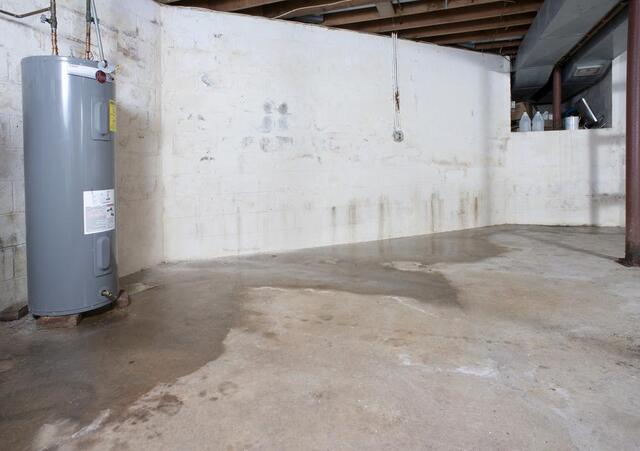
Although both are signs of unwanted moisture, wet basement walls and a wet basement floor don't always have the same cause. Understanding where the water is appearing can help identify the best waterproofing solution.
| Symptom | What You May Notice | Common Cause |
| Wet basement walls | Damp spots, stains, peeling paint | Foundation seepage, wall cracks, hydrostatic pressure |
| Wet basement floor | Standing water or recurring puddles | Groundwater pressure, drainage issues |
| Water after heavy rain | Moisture appears after storms | Poor grading, clogged gutters, overwhelmed drainage |
| Constant dampness | Persistent humidity, musty odors | Multiple waterproofing issues |
The location of the moisture is only part of the story. Water can travel behind walls, beneath your basement floor, or along the joint where the wall meets the concrete slab before becoming visible. That's why a professional inspection is the best way to determine the true source of the problem and recommend the right waterproofing solution.
Related Basement Water Problems
Water in your basement can appear in different ways depending on what's causing the issue. If you're experiencing one of the following problems, HomeSpec has solutions to help.
Basement Waterproofing
Protect your basement from water intrusion with customized waterproofing solutions designed to keep your home dry year-round.
Basement Wall Cracks
Cracks in foundation walls can allow water to seep into your basement and may become worse over time if left untreated.
Sump Pump Installation
A properly functioning sump pump helps remove groundwater before it reaches your basement floor.
Basement Moisture & Humidity
Persistent dampness and humidity can lead to mold growth, musty odors, and poor indoor air quality.
How HomeSpec Solves Basement Water Problems
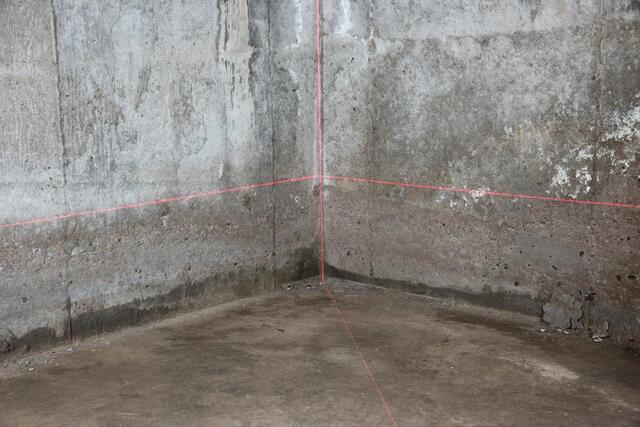
No two basements leak for exactly the same reason. That's why the first step is always identifying where the water is coming from and what's allowing it to enter your home. Once we've completed a thorough inspection, we'll recommend a waterproofing solution designed specifically for your basement—not a one-size-fits-all repair.
Whether you're dealing with water in your basement, wet basement walls, or a wet basement floor, our goal is to stop the water at its source and help keep your basement dry for years to come.
Our Basement Waterproofing Solutions Include:
Interior Drainage Systems
Capture groundwater before it reaches your basement floor and direct it safely to your sump pump.
Sump Pump Installation & Replacement
Move water away from your home efficiently, even during heavy rain and high groundwater conditions.
Foundation Crack Repair
Seal cracks that allow water to seep through basement walls or floors.
Wall Vapor Barriers
Help prevent moisture from entering through basement walls while directing water into the drainage system.
Exterior Water Management
Improve grading, drainage, and other exterior conditions that contribute to basement water intrusion.
Crawl Space Drainage Solutions (when applicable)
Address excess moisture beneath your home before it affects your basement or foundation.
Basement Dehumidification Systems
Reduce humidity, discourage mold growth, and create a healthier, more comfortable basement environment.
Every recommendation we make is based on your home's unique conditions. Rather than treating the symptoms, we focus on solving the underlying cause so you can enjoy a drier, healthier basement with confidence.
Why Homeowners Choose HomeSpec
- Free, no-obligation basement inspections
- Customized waterproofing solutions for every home
- Experienced local waterproofing specialists
- High-quality products and proven installation methods
- Trusted by homeowners across Ann Arbor, Westland, and Metro Detroit
Ready to stop dealing with water in your basement? Our team is here to identify the source of the problem and recommend the right solution for your home.
Why You Shouldn't Ignore Water in Your Basement
Even if the water seems minor or only appears occasionally, basement moisture rarely resolves itself. Over time, even small leaks can lead to bigger issues that affect your home's structure, indoor air quality, and overall value.
Ignoring water in your basement can result in:
Mold & Mildew Growth
A damp basement creates the perfect environment for mold and mildew to thrive. Besides causing unpleasant odors, mold can spread to other areas of your home and impact indoor air quality.
Foundation Damage
Water continually entering around your foundation can contribute to cracks, shifting soil, and additional structural stress over time.
Damaged Walls & Flooring
Moisture can ruin drywall, insulation, flooring, carpeting, and anything stored in your basement, leading to expensive repairs and replacements.
Increased Humidity
Even if standing water isn't visible, excess moisture can make your basement feel damp and uncomfortable while encouraging condensation throughout the space.
Pest Problems
Moist environments often attract insects and other pests looking for water and shelter, making an already frustrating situation even worse.
Lower Home Value
Visible water damage, mold, or ongoing moisture issues can raise concerns for potential buyers and may affect your home's resale value if left unresolved.
The sooner you identify the source of the water, the easier it is to prevent more extensive damage. A professional inspection can help determine the right waterproofing solution before the problem grows.
Proudly Serving Ann Arbor, Westland & Metro Detroit
Water intrusion can affect homes of all ages, whether you live in an older neighborhood or a newer development. HomeSpec proudly helps homeowners throughout Ann Arbor, Westland, West Bloomfield, Livonia, Canton, Plymouth, Novi, and the greater Metro Detroit area diagnose and solve basement water problems with dependable waterproofing solutions.
If you've noticed water in your basement, don't wait until the damage becomes more extensive. Our team is ready to inspect your home, explain what's causing the problem, and recommend the best path forward..
Schedule Your Free Basement Inspection
Water in your basement is often a sign that moisture is finding its way into your home through cracks, drainage issues, or hydrostatic pressure. The good news is that identifying the source early can help prevent more serious damage down the road.
At HomeSpec, we take the time to understand what's causing the problem before recommending a solution. Whether you need an interior drainage system, sump pump, crack repair, or another waterproofing service, we'll help you find the right option for your home.
If you're dealing with water in your basement, wet basement walls, or a wet basement floor, we're here to help.
Frequently Asked Questions About Basement Water Problems
Is water in my basement a sign of a foundation problem?
Not always. While foundation cracks can allow water to enter your basement, many water problems are caused by hydrostatic pressure, poor exterior drainage, clogged gutters, or a failing waterproofing system. A professional inspection can determine the source of the moisture and recommend the right solution before the problem worsens.
Why do I only have water in my basement after heavy rain?
Heavy rain saturates the soil around your home, increasing hydrostatic pressure against your foundation. Water can then seep through foundation cracks, the cove joint where the wall meets the floor, or other weak points. Poor grading, clogged gutters, and inadequate drainage can also contribute to basement water problems after storms.
What causes wet basement walls?
Wet basement walls are commonly caused by groundwater pressing against the foundation, wall cracks, deteriorating waterproofing materials, or moisture passing through porous concrete. Although the walls may simply look damp at first, they often indicate a waterproofing issue that should be addressed before it leads to mold or structural damage.
Why is my basement floor wet?
A wet basement floor can occur when groundwater is forced upward through cracks in the concrete slab or enters where the basement wall meets the floor. It may also result from drainage issues, plumbing leaks, or an overwhelmed sump pump. Identifying the source is the first step toward choosing the right repair.
Can a wet basement lead to mold?
Yes. Even small amounts of recurring moisture can create the damp conditions mold and mildew need to grow. Mold can damage building materials, produce unpleasant odors, and affect your home's indoor air quality. Addressing the source of the water helps reduce the risk of future mold growth.
What's the best way to fix water in a basement?
The best solution depends on what's causing the water intrusion. Some homes benefit from interior drainage systems and sump pumps, while others require crack repair, wall vapor barriers, or improvements to exterior drainage. A professional inspection helps identify the most effective waterproofing solution for your home.
Can I waterproof my basement myself?
While small surface leaks can sometimes be temporarily sealed with DIY products, these repairs rarely solve the underlying problem. If water is entering through hydrostatic pressure, foundation cracks, or drainage issues, professional basement waterproofing is often the most effective long-term solution.
Does HomeSpec provide free basement inspections?
Yes. HomeSpec offers free basement inspections for homeowners throughout Ann Arbor, Westland, and Metro Detroit. Our team will identify the source of the water, explain what's causing the problem, and recommend a customized waterproofing solution to help keep your basement dry.
