

Can I Waterproof My Basement by Myself?
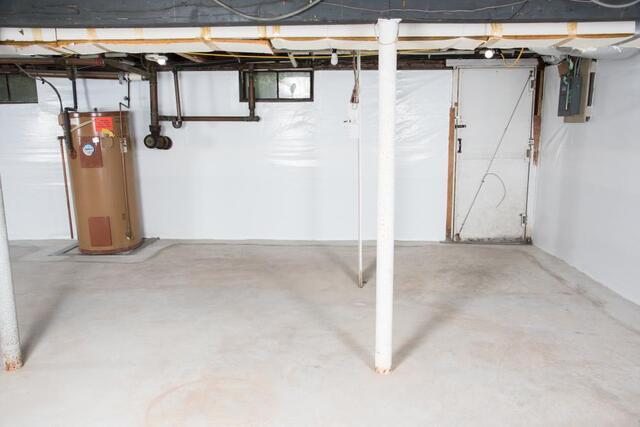
If you're wondering whether you can waterproof your basement yourself, the short answer is yes—but only in certain situations.
Simple maintenance tasks like cleaning gutters, extending downspouts, sealing small non-structural cracks, or improving grading around your home can help reduce moisture problems. However, if you're dealing with recurring leaks, standing water, or water entering through your foundation, DIY fixes are often temporary and may not solve the underlying problem.
Many basement water issues are caused by hydrostatic pressure, poor drainage, or foundation problems that require more than a coat of waterproof paint or sealant. Covering up the symptoms without addressing the source can allow moisture to continue damaging your home behind the scenes.
In this guide, we'll explain when DIY basement waterproofing makes sense, when it's time to call a professional, and how to determine the best solution for your home.
Key Takeaways
- DIY basement waterproofing can help with preventative maintenance and minor moisture issues.
- Cleaning gutters, extending downspouts, and improving grading can reduce the risk of basement leaks.
- Waterproof sealants may help with small surface issues but won't solve drainage or foundation problems.
- Recurring leaks, standing water, mold, or foundation cracks usually require professional waterproofing.
- A professional inspection can identify the source of the water and recommend the most effective long-term solution.
When DIY Basement Waterproofing Makes Sense
Not every basement moisture problem requires a professional waterproofing system. In fact, there are several preventative maintenance tasks homeowners can safely handle themselves to help reduce the risk of water entering the basement.
DIY basement waterproofing is most effective when you're addressing minor issues before they become bigger problems. If your basement is generally dry and you're simply looking to improve moisture control, these projects can make a noticeable difference.
DIY projects that can help protect your basement
- Keep gutters clean. Clogged gutters can overflow and dump water next to your foundation instead of directing it safely away from your home.
- Extend your downspouts. Downspouts should discharge water several feet away from the foundation to help prevent water from pooling around basement walls.
- Improve the grading around your home. The soil should slope away from your foundation so rainwater naturally drains away instead of collecting against your house.
- Seal small, non-structural cracks. Minor hairline cracks may be sealed to help reduce moisture intrusion, but larger or expanding cracks should always be evaluated by a professional.
- Reduce indoor humidity. Running a dehumidifier and improving basement ventilation can help control condensation and create a drier, more comfortable space.
- Check window wells and drains. Remove leaves, dirt, and debris so water can drain properly instead of collecting around basement windows.
DIY maintenance can help—but it has limits
These projects are excellent for routine home maintenance and may help reduce minor moisture issues. However, they won't stop water that's being forced through your foundation by hydrostatic pressure or fix drainage problems beneath your home.
If you're noticing recurring leaks, damp walls after heavy rain, standing water, or signs of mold growth, the issue is likely more than a simple maintenance problem. In those cases, a professional basement waterproofing solution is usually the most effective long-term fix.
DIY vs. Professional Basement Waterproofing
When researching DIY basement waterproofing, it's easy to find products that promise quick results. While some of these solutions can help with minor moisture issues, they're not designed to solve the underlying causes of basement water problems.
The key is understanding whether you're dealing with a maintenance issue or a water intrusion problem. If water is entering your basement because of poor drainage, hydrostatic pressure, or foundation issues, a professional waterproofing system is typically the most reliable long-term solution.
| Solution | Best For | Long-Term Solution? |
| Waterproof sealant or coating | Minor damp spots or cosmetic moisture | Sometimes |
| Gutter and downspout improvements | Reducing surface water around the home | Yes |
| Regrading landscaping | Preventing water from pooling near the foundation | Yes |
| Interior drainage system | Recurring basement leaks and water intrusion | Yes |
| Exterior basement waterproofing | Persistent water entering through foundation walls | Yes |
How to know which approach is right for your home
A simple rule of thumb is this:
DIY solutions work best when you're preventing water from reaching your foundation. Professional solutions are often needed once water has already found a way inside.
For example, extending downspouts or correcting the slope around your home can help direct rainwater away from the foundation. But if water continues to seep through basement walls or where the wall meets the floor after every heavy rain, there's likely an underlying issue that needs a more comprehensive waterproofing solution.
Trying multiple DIY products without identifying the true source of the problem can become frustrating—and expensive. In many cases, homeowners end up spending more on temporary fixes before eventually investing in the repair that addresses the root cause.
The good news is that not every wet basement requires the same solution. A professional inspection can identify exactly where the water is coming from and recommend the most effective repair based on your home's unique conditions.
Signs Your Basement Needs More Than a DIY Fix
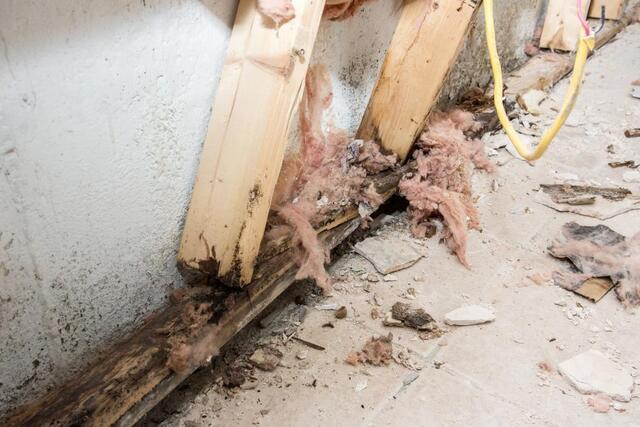
Some basement moisture problems can be managed with routine maintenance, but others are signs of a larger issue. If you've already tried DIY solutions and the problem keeps coming back, it's time to look beyond surface-level fixes.
Here are some common warning signs that your basement may need professional waterproofing.
Watch for these red flags
Standing water on the basement floor
Puddles or pooling water after heavy rain usually indicate that water is finding a way into your basement rather than simply creating excess humidity.
Water coming in where the wall meets the floor
Leaks along the cove joint (where the basement wall meets the floor) are often a sign that water is building up around your foundation and needs a proper drainage solution.
Musty odors or visible mold growth
A damp, musty smell often means excess moisture is present—even if you don't see standing water. Over time, this can lead to mold growth and poor indoor air quality.
White, chalky residue on basement walls
This powdery substance, known as efflorescence, is left behind when water passes through concrete or masonry. While it's not harmful itself, it's a strong indicator that moisture is moving through your foundation walls.
Growing or multiple foundation cracks
Small hairline cracks can sometimes be cosmetic, but larger, widening, or numerous cracks should be inspected. They may allow water into your basement or point to an underlying foundation issue.
Water stains or peeling paint
Discoloration, bubbling paint, or peeling finishes on basement walls can all be signs of ongoing moisture intrusion.
Recurring leaks after heavy rain
If your basement leaks every time it rains, the problem is likely related to drainage or hydrostatic pressure—not something a waterproof coating alone can solve.
A simple way to know when it's time to call a professional
If you're experiencing one or more of the issues above on a regular basis, it's worth scheduling a professional basement inspection. Catching the source of the problem early can help prevent more extensive water damage, mold growth, and costly repairs down the road.
The goal isn't just to stop the water you can see—it's to identify why it's getting into your basement in the first place and choose a waterproofing solution that provides lasting protection and fits your budget.
Why Basement Waterproofing Often Requires More Than Sealant
When homeowners first notice moisture in their basement, it's common to reach for a waterproof coating or sealant. While these products can help reduce minor dampness in some situations, they rarely solve the root cause of recurring basement leaks.
That's because most basement water problems begin outside your home—not inside.
As rainwater and melting snow soak into the soil around your foundation, water builds up against your basement walls. This creates hydrostatic pressure, which is the force of water pushing against your foundation. Over time, that pressure can force water through tiny cracks, porous concrete, or the joint where the wall meets the floor.
A sealant may temporarily block one area where water is entering, but it doesn't eliminate the pressure causing the leak. As a result, water often finds another path into the basement.
Not all waterproofing products perform the same. Choosing the right solution depends on the type of moisture problem you're dealing with.
Why water keeps coming back
Many recurring basement leaks are caused by issues that surface-level products simply can't address, including:
- Poor drainage around the foundation
- Clogged or failing footing drains
- Hydrostatic pressure beneath the basement floor
- Cracks in foundation walls or floors
- Water collecting around window wells
- Improper grading that directs water toward the home
These problems require solutions that manage or redirect water before it enters your basement, rather than simply covering the visible symptoms.
Long-term waterproofing focuses on the source
Professional basement waterproofing systems are designed to control water before it can cause damage inside your home. Depending on what's causing the problem, that may include:
- Interior drainage systems that collect and redirect water to a sump pump.
- Exterior waterproofing solutions that help prevent water from reaching the foundation walls.
- Foundation crack repairs that seal active leak points.
- Drainage improvements, such as correcting grading or improving gutter and downspout performance.
The right solution depends on how and where water is entering your basement. That's why identifying the source of the problem is just as important as repairing the leak itself.
Rather than repeatedly applying sealants every time moisture appears, addressing the underlying cause can provide longer-lasting protection and help keep your basement dry year after year.
Common DIY Basement Waterproofing Mistakes
Taking a proactive approach to protecting your home is always a good idea, but some DIY basement waterproofing projects can unintentionally make water problems worse. Many homeowners focus on treating the visible leak instead of addressing what's causing the water to enter in the first place.
Avoiding these common mistakes can save you time, money, and frustration.
1. Sealing over an active leak
Applying a waterproof coating or sealant to a damp wall may seem like a quick fix, but if water is still pushing against your foundation, the problem often returns. In many cases, the water simply finds another way into the basement.
2. Ignoring drainage outside the home
One of the most common causes of basement leaks has nothing to do with the basement itself. Poor grading, clogged gutters, or short downspouts can allow water to collect around your foundation, increasing the risk of water intrusion.
Before focusing on the inside of your basement, it's important to make sure rainwater is being directed away from your home.
3. Assuming every crack is the same
Not all foundation cracks require the same solution. Some small hairline cracks may be cosmetic, while others can indicate foundation movement or become pathways for water to enter.
Treating every crack with the same repair product without understanding its cause can lead to recurring leaks or allow a larger issue to go unnoticed.
4. Covering up mold instead of fixing the moisture problem
Cleaning or painting over mold may improve the appearance of your basement temporarily, but mold typically returns if excess moisture is still present.
The long-term solution is to eliminate the source of the moisture before repairing any cosmetic damage.
5. Waiting until the problem gets worse
Many homeowners put off repairs because the leak only happens during heavy rain or seems minor. Unfortunately, water intrusion rarely resolves on its own.
What starts as a small damp spot can eventually lead to mold growth, damaged finishes, foundation deterioration, or costly repairs if left untreated.
A little prevention goes a long way
DIY maintenance can absolutely be part of protecting your basement, especially when it comes to improving drainage and preventing moisture buildup. However, if you're repeatedly dealing with leaks or trying multiple products without success, it's usually a sign that the underlying issue needs a different solution.
Understanding why water is getting into your basement is the first step toward finding a repair that lasts.
How Professionals Find the Real Source of Basement Water
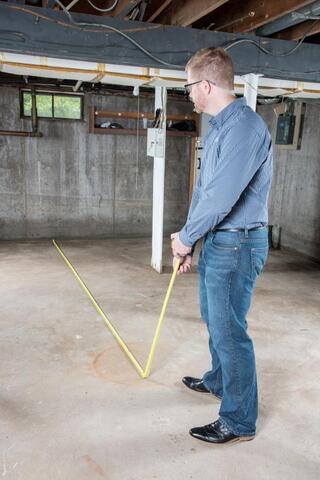
One of the biggest differences between DIY basement waterproofing and professional waterproofing is identifying where the water is coming from—not just where it's showing up.
Water can travel along foundation walls, beneath the basement floor, or through cracks before it becomes visible inside your home. That means the wet spot you see isn't always where the problem begins.
A professional inspection focuses on finding the source of the moisture so the right repair can be recommended the first time.
What professionals look for during an inspection
A basement waterproofing specialist will typically evaluate several areas, including:
- Foundation walls and floors for cracks, gaps, and signs of water intrusion.
- Drainage around the home to see whether grading, gutters, or downspouts are allowing water to collect near the foundation.
- Signs of hydrostatic pressure, such as water entering at the wall-floor joint or moisture coming through concrete.
- Window wells and exterior openings that may allow water into the basement during heavy rain.
- Moisture damage, including water stains, efflorescence, mold growth, or musty odors that indicate an ongoing problem.
Every basement is different
There's no one-size-fits-all solution for basement waterproofing. Two homes with similar leaks may require completely different repairs depending on the age of the home, foundation type, soil conditions, and how water is entering the basement.
For example, one homeowner may only need improvements to exterior drainage, while another may benefit from an interior drainage system, sump pump installation, or foundation crack repair.
The goal is to recommend the solution that addresses the root cause—not simply the symptoms.
Why a professional evaluation can save time and money
Many homeowners spend months or even years trying different DIY products before discovering the real issue. While some maintenance projects are worth tackling yourself, repeated leaks are often a sign that a more comprehensive solution is needed.
A professional inspection helps eliminate the guesswork by identifying the source of the water intrusion and recommending repairs that are designed to provide long-term protection. That means fewer temporary fixes, less frustration, and greater confidence that your basement will stay dry through future storms.
Why Homeowners Choose HomeSpec for Basement Waterproofing
When it comes to protecting your home from water damage, choosing the right waterproofing solution is just as important as choosing the right company. At HomeSpec, we believe every homeowner deserves a solution that's built around the actual cause of the problem—not a one-size-fits-all approach.
Our team takes the time to thoroughly inspect your basement, identify where water is entering, and recommend repairs that provide lasting protection. Whether the issue is poor drainage, foundation cracks, hydrostatic pressure, or recurring leaks, we'll help you understand your options so you can make an informed decision.
Homeowners trust HomeSpec because we offer:
- Customized waterproofing solutions based on your home's specific needs.
- Experienced basement waterproofing specialists who understand the unique soil and weather conditions throughout Michigan.
- Comprehensive repair options, including interior drainage systems, sump pumps, foundation crack repair, and exterior waterproofing solutions when appropriate.
- Clear recommendations with no unnecessary repairs or pressure.
- Long-term solutions designed to help keep your basement dry and protect your home's value.
Protect your home before a small leak becomes a bigger problem
A damp basement today can turn into mold growth, damaged belongings, foundation issues, and expensive repairs tomorrow. Addressing water intrusion early can help prevent more extensive damage and provide greater peace of mind.
Whether you've noticed occasional moisture after a heavy rain or you're dealing with recurring basement leaks, the HomeSpec team is here to help. We'll identify the source of the problem and recommend the right waterproofing solution to help protect your home for years to come.
Is DIY Basement Waterproofing Worth It?
DIY basement waterproofing can be a worthwhile first step for routine maintenance and minor moisture issues. Cleaning gutters, extending downspouts, improving grading, and controlling humidity are all practical ways to help reduce the risk of water problems around your home.
However, if water continues to enter your basement despite those efforts, it's important to remember that the visible leak is often just a symptom of a larger issue. Problems like hydrostatic pressure, foundation cracks, and failing drainage systems typically require more than a surface-level repair.
The sooner you identify the source of the problem, the easier it is to prevent additional damage and avoid ongoing repairs.
If you're unsure whether your basement needs a simple maintenance fix or a complete waterproofing solution, a professional inspection can provide the answers you need. Understanding what's causing the problem is the first step toward protecting your basement—and your home—for the long term.
Frequently Asked Questions
Can I waterproof my basement without digging?
Yes, in some cases. Homeowners can often reduce minor moisture issues by improving drainage around the home, sealing small non-structural cracks, and keeping gutters and downspouts clear. However, if water is entering through your foundation or you're dealing with recurring leaks, waterproofing without excavation or a professionally installed drainage system may not fully solve the problem.
Does basement waterproofing paint really work?
Basement waterproofing paint can help reduce minor dampness on basement walls, but it isn't a complete waterproofing solution. If water is being forced through your foundation by hydrostatic pressure or entering through cracks, paint alone won't stop the problem. It's best used as part of a broader moisture management strategy rather than as the primary repair.
Can waterproof sealants stop basement leaks?
Waterproof sealants can help seal small, non-structural cracks and reduce minor moisture intrusion, but they're generally designed for surface-level protection. If water is entering because of foundation movement, poor drainage, or hydrostatic pressure, the leak will often return until the underlying issue is addressed.
What's the difference between waterproofing and damp-proofing?
Damp-proofing helps slow the movement of moisture through foundation walls, while waterproofing is designed to keep water from entering your basement altogether. Waterproofing systems often include drainage solutions, sump pumps, crack repairs, or waterproof membranes that manage water before it reaches your living space.
How much water is too much in a basement?
Any amount of standing water or recurring moisture in your basement should be investigated. Even small leaks can lead to mold growth, damaged belongings, unpleasant odors, and long-term damage if left untreated. If your basement gets wet after heavy rain or snowmelt, it's a good idea to have the cause evaluated.
Should I waterproof my basement before finishing it?
Yes. Waterproofing your basement before adding drywall, flooring, or insulation can help protect your investment and reduce the risk of future water damage. Addressing moisture issues beforehand is typically much easier and less expensive than repairing a finished basement after a leak.
Can foundation cracks cause basement leaks?
Yes. Foundation cracks can provide a path for water to enter your basement, especially during periods of heavy rainfall or when the soil around your home becomes saturated. While some small cracks are cosmetic, larger or expanding cracks should be inspected to determine whether they require repair.
How do I know if I need professional basement waterproofing?
If you've tried basic DIY maintenance and your basement still experiences leaks, standing water, musty odors, mold growth, or recurring moisture, it's time to consider a professional inspection. A waterproofing specialist can identify the source of the problem and recommend the most effective long-term solution for your home.
