

What Causes Basement Water Leaks and How to Fix Them
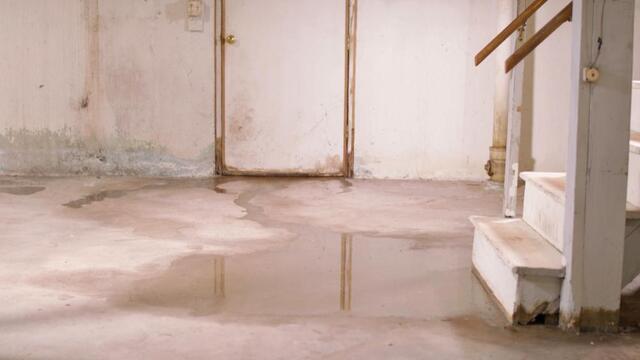
Noticing water in your basement can be frustrating—and a little alarming. Whether it’s a small damp spot or standing water after heavy rain, basement leaks are a common problem for homeowners.
The truth is, basement water leaks don’t happen randomly. They’re usually caused by a combination of drainage issues, foundation vulnerabilities, and excess moisture around your home.
In this guide, we’ll break down the most common causes of basement water leaks, how to identify where the water is coming from, and what you can do to fix the problem before it leads to costly damage.
Common Causes of Basement Water Leaks
Understanding what’s causing water to enter your basement is the first step toward fixing it. Below are the most common reasons homeowners deal with basement leaks.
Poor Grading Around Your Foundation
Your yard should slope away from your home. When it doesn’t, rainwater collects around the foundation instead of draining away.
Over time, this pooling water seeps into small cracks or weak points, leading to basement leaks—especially after heavy rain.
Clogged or Damaged Gutters & Downspouts
Gutters and downspouts play a major role in keeping water away from your foundation. When they’re clogged, broken, or too short, water spills directly next to your home.
This can quickly lead to:
- Water leaking into the basement after storms
- Soil saturation around the foundation
- Increased pressure against basement walls
Foundation Cracks & Wall Gaps
Even small cracks in your foundation can allow water to enter your basement. These cracks may form due to settling, soil movement, or temperature changes.
Common problem areas include:
- Vertical wall cracks
- Floor cracks
- Gaps around pipes or utility lines
Hydrostatic Pressure (Water in the Soil)
When the soil around your home becomes saturated, it creates pressure against your foundation walls. This is known as hydrostatic pressure.
Over time, this pressure can force water through:
- Concrete walls
- Basement floors
- Cove joints (where the wall meets the floor)
This is one of the most common causes of persistent basement water problems.
Leaking Basement Windows & Window Wells
Basement windows and window wells can allow water in if they’re not properly sealed or drained.
Issues often include:
- Poorly installed window wells
- Missing or clogged drains
- Damaged seals around the window
Plumbing Leaks or Interior Sources
Not all basement water comes from outside. Sometimes, the source is inside your home.
This may include:
- Leaking pipes
- Faulty water heaters
- Laundry or utility sink overflows
Quick Overview of Basement Leak Causes
| Cause | Where It Happens | Risk Level |
| Poor grading | Around foundation | High |
| Clogged gutters | Roof drainage system | High |
| Foundation cracks | Walls & floors | High |
| Hydrostatic pressure | Soil → foundation | Very High |
| Window leaks | Basement windows | Medium |
| Plumbing issues | Inside basement | Medium |
Signs Your Basement Has a Water Leak
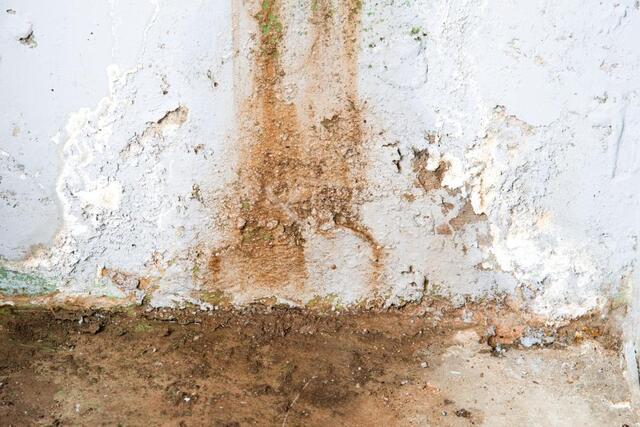
Not all basement water problems show up as standing water. In many cases, the warning signs are subtle at first—but catching them early can save you from major damage later.
Here are the most common signs of a basement water leak:
- Damp or musty odors
A persistent musty smell often points to excess moisture or hidden mold growth. - Water stains on walls or floors
Discoloration, streaks, or dark patches usually indicate past or ongoing water intrusion. - Cracks in walls or floors
Even small cracks can allow water to seep into your basement over time. - Peeling paint or bubbling drywall
Moisture trapped behind walls can cause finishes to break down or warp. - Efflorescence (white, chalky residue)
This powdery substance forms when water evaporates and leaves minerals behind. - Pooling water or damp spots after rain
Water appearing after storms is a clear sign of drainage or foundation issues. - Mold or mildew growth
Moisture creates the perfect environment for mold, especially in corners or near leaks.
Quick Tip for Homeowners
If you’re unsure whether you have a basement leak, check your basement after a heavy rainstorm. This is often when water intrusion becomes most noticeable.
Where Is the Water Coming From?
If you’ve noticed water in your basement, the next step is figuring out exactly where it’s entering. The source of the leak will determine the best way to fix it.
Here’s how to identify where your basement water problem is coming from:
Water Coming Through Basement Walls
If you see moisture, streaks, or damp spots along your walls, water is likely seeping in from the outside.
This is often caused by:
- Poor drainage around your foundation
- Hydrostatic pressure pushing water through the walls
- Small cracks or porous concrete
What it means: Your home may need improved exterior drainage or wall sealing.
Water Coming Up Through the Basement Floor
Water appearing from the floor is usually a sign of pressure beneath your home.
Common causes include:
- Saturated soil under the foundation
- Rising groundwater levels
- Hydrostatic pressure forcing water upward
What it means: This often requires a more advanced solution like a drainage system or sump pump.
Water at the Cove Joint (Wall-Floor Seam)
The cove joint is where your basement wall meets the floor—and it’s one of the most common places for leaks.
If you notice water along this seam, it’s typically due to:
- Water buildup around the foundation
- Pressure forcing water through the joint
What it means: Interior drainage solutions are often the most effective fix here.
Water Around Basement Windows
Leaks near basement windows or window wells are usually easy to spot.
This can happen when:
- Window wells fill with water
- Drains become clogged
- Seals around the window fail
What it means: You may need better drainage, covers, or resealing.
Water From Plumbing or Inside the Home
If the leak doesn’t seem tied to weather, the issue could be internal.
Check for:
- Leaking pipes or connections
- Faulty appliances (water heater, washer)
- Overflowing fixtures
What it means: A plumbing repair—not basement waterproofing—may be the solution.
Quick Breakdown: Leak Location vs. Cause
| Where You See Water | Most Likely Cause | Recommended Next Step |
| Walls | Drainage / pressure | Exterior grading fix |
| Floor | Groundwater pressure | Install drainage system |
| Cove joint | Hydrostatic pressure | Interior waterproofing |
| Windows | Poor drainage / sealing | Fix window well drainage |
| Random/isolated area | Plumbing issue | Inspect pipes/appliances |
How to Fix Basement Water Leaks
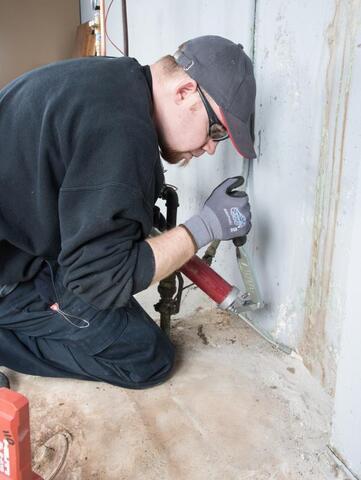
The right solution depends on where the water is coming from. Some minor issues can be handled with simple fixes, while others require professional basement waterproofing to stop the problem for good.
Here’s how to address the most common basement water leak causes:
Fix Grading & Drainage Around Your Home
If water is pooling near your foundation, improving drainage should be your first step.
Simple fixes include:
- Regrading soil so it slopes away from your home
- Extending downspouts at least 6–10 feet away
- Keeping gutters clean and free of debris
These steps help prevent water from collecting around your foundation in the first place.
Seal Foundation Cracks
Small cracks in basement walls or floors can often be sealed to stop minor leaks.
Options include:
- Epoxy or polyurethane crack injections
- Waterproof sealants for small gaps
- Caulking around pipe penetrations
This works best for isolated cracks—not widespread water issues. Using the right materials can make the difference between a temporary fix and long-term protection.
Install or Improve Gutter & Downspout Systems
If your gutters are overflowing or draining too close to your home, upgrading your system can make a big difference.
Consider:
- Larger or clog-resistant gutters
- Downspout extensions
- Splash blocks or underground drain lines
Proper roof drainage is one of the easiest ways to prevent basement leaks.
Address Window Well Drainage
For leaks around basement windows:
- Clear out debris from window wells
- Install window well covers
- Add or repair window well drains
This prevents water buildup that can spill into your basement.
Install an Interior Drainage System
If water is entering through the floor or cove joint, surface fixes won’t be enough.
A professional solution may include:
- Interior perimeter drainage system
- Drain tile installation
- Sump pump system to remove water
These systems manage water before it reaches your basement floor.
Repair or Replace Plumbing Issues
If the source is inside your home:
- Fix leaking pipes or fittings
- Replace failing appliances
- Inspect water heaters and utility connections
Always rule out plumbing before investing in waterproofing solutions.
DIY Fix or Call a Professional?
Not every basement leak requires a major repair—but some do.
You may be able to handle it yourself if:
- The issue is minor and isolated
- Water only appears occasionally
- The source is clearly visible (like a small crack or clogged gutter)
You should call a professional if:
- Water keeps coming back after rain
- You see multiple leak points
- There are signs of structural damage
- The problem involves hydrostatic pressure
How to Prevent Basement Water Leaks
Once you’ve fixed a basement leak, the next step is making sure it doesn’t come back. A few simple maintenance steps can go a long way in keeping your basement dry year-round.
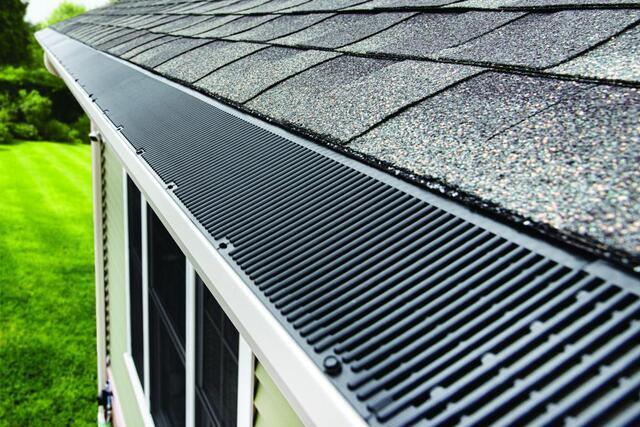
Keep Gutters & Downspouts Clean
Clogged gutters are one of the most common causes of basement water problems.
Make sure to:
- Clean gutters regularly, especially in the fall
- Check for damage or sagging sections
- Extend downspouts away from your foundation
Maintain Proper Grading
Your yard should always slope away from your home—not toward it.
If you notice water pooling near your foundation:
- Add soil to low areas
- Regrade landscaping as needed
- Avoid planting beds that trap water near your home
Inspect Your Foundation Regularly
Small issues can turn into major leaks if left untreated.
Look for:
- New cracks in walls or floors
- Gaps around pipes or windows
- Signs of moisture or staining
Install Preventative Waterproofing Solutions
If your home is prone to water issues, proactive solutions can save you time and money long-term.
These may include:
- Sump pump systems
- Interior drainage systems
- Vapor barriers or wall sealing
When to Call a Basement Waterproofing Expert
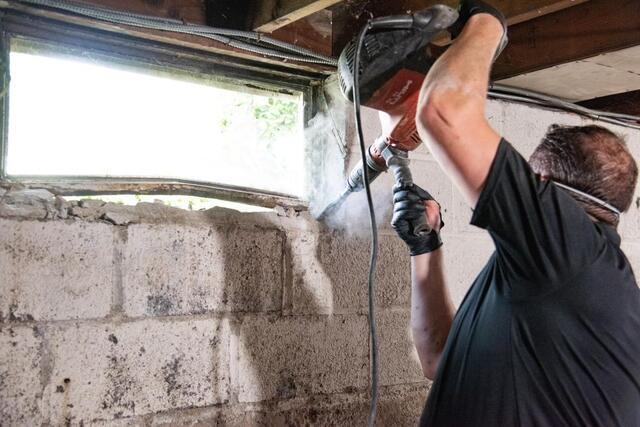
Some basement leaks are easy to fix—but others require a long-term solution to prevent ongoing damage.
It’s time to call a professional if:
- Water keeps returning after heavy rain
- You notice structural cracks or bowing walls
- There’s consistent moisture or mold growth
- DIY fixes haven’t solved the problem
A professional inspection can identify the root cause and recommend the right solution for your home.
Why Choose HomeSpec for Basement Waterproofing
Fixing a basement leak isn’t just about stopping the water you see—it’s about solving the problem at its source. That’s where working with an experienced team makes all the difference.
At HomeSpec, we focus on long-term solutions, not temporary fixes. What sets us apart:
- Thorough Basement Inspections: We don’t guess. Our team identifies exactly where water is entering and what’s causing it.
- Customized Waterproofing Solutions: Every home is different. We recommend solutions based on your specific foundation, soil conditions, and water issues.
- Proven Systems That Last: From interior drainage systems to sump pumps, we install solutions designed to keep your basement dry for the long run.
- Local Experience You Can Trust: We understand the challenges homeowners face in this area—from heavy rains to seasonal soil changes.
- Honest, No-Pressure Recommendations: Our goal is to give you the right solution, not sell you something you don’t need.
Get the Right Fix the First Time
If you’re dealing with basement water leaks, the sooner you address the issue, the easier it is to prevent serious damage.
A professional inspection from HomeSpec can help you:
- Pinpoint the exact cause of the leak
- Avoid unnecessary repairs
- Protect your home’s foundation and value
Protect Your Home From Basement Water Damage
Basement water leaks don’t just go away on their own. Left untreated, they can lead to mold growth, structural damage, and costly repairs.
The good news is that most basement water problems can be fixed—and prevented—with the right approach.
If you’re dealing with water in your basement or want peace of mind, a professional inspection can help you take the next step with confidence.
Frequently Asked Questions About Basement Water Leaks
What is the most common cause of basement water leaks?
The most common cause is poor drainage around the foundation, often due to clogged gutters, short downspouts, or improper grading.
Why is my basement leaking after heavy rain?
Heavy rain saturates the soil around your home, creating hydrostatic pressure that forces water through cracks, walls, or the basement floor.
Is water in the basement always a foundation problem?
No. While many leaks are caused by foundation or drainage issues, some come from plumbing leaks, faulty appliances, or window well problems.
Can I fix a basement leak myself?
Minor issues like clogged gutters or small cracks can often be fixed by homeowners. However, recurring leaks or water coming through the floor usually require professional waterproofing.
How do I know where water is entering my basement?
Check your basement during or after rain. Look for moisture on walls, floors, windows, and the cove joint to help pinpoint the source.
How much does it cost to fix a basement water leak?
Costs vary depending on the cause. Simple fixes may cost little, while full waterproofing systems can be a larger investment—but provide long-term protection.
