

Best Materials for Basement Waterproofing: What Actually Works?
If you’ve noticed damp walls, musty smells, or water pooling in your basement, you’re not alone. Basement waterproofing is one of the most important investments you can make in protecting your home—but choosing the right materials makes all the difference between a quick patch and a long-term solution.
Some products promise an easy DIY fix. Others are part of professional systems designed to handle serious water intrusion. In this guide, we’ll break down the best materials for basement waterproofing, when they work, and when it’s time to call in an expert.
Why Choosing the Right Basement Waterproofing Materials Matters
Not all basement waterproofing materials are created equal. The wrong choice can lead to:
- Recurring leaks and water intrusion
- Mold growth and poor indoor air quality
- Foundation damage over time
- Higher repair costs down the road
The key is understanding that water problems don’t just come from the surface. Hydrostatic pressure, soil conditions, and foundation cracks all play a role. That’s why effective basement waterproofing often requires more than just a coating or sealant.
Best Materials for Basement Waterproofing (Ranked & Explained)
Waterproof Coatings & Sealants
These are some of the most common basement sealing materials homeowners use. Waterproof coatings and sealants are often marketed as an easy fix for wet basement walls, but they rarely solve the underlying problem. Because they’re applied to the inside of the foundation, they can't withstand water pressure pushing through from the outside.
What they are:
Paint-like coatings or crack sealants applied to the interior of basement walls in an attempt to block moisture.
Why they're not recommended:
- Don't stop hydrostatic pressure
- Can trap moisture behind the coating
- May contribute to mold and mildew growth
- Often peel, blister, or fail over time
- Only cover the symptom—not the source of the leak
If your basement has recurring moisture or water intrusion, it's usually a sign that water needs to be managed before it reaches the inside of your foundation. A professionally designed waterproofing system is a much more effective long-term solution.
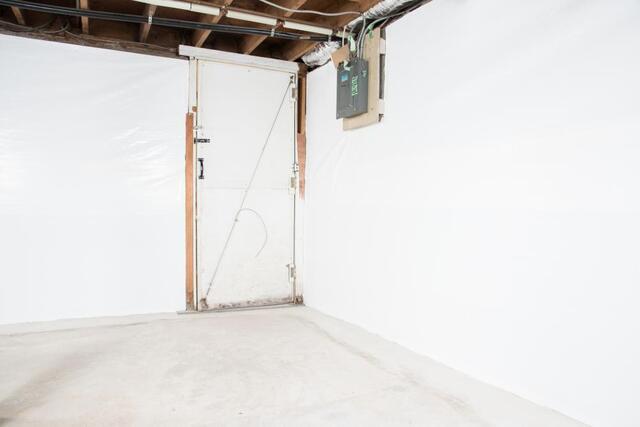
Vapor Barriers (Plastic & Reinforced Liners)
Vapor barriers are essential for moisture control, especially in crawl spaces and unfinished basements.
What they are:
Thick plastic or reinforced liners installed along walls or floors to block moisture vapor.
Best for:
- Controlling humidity
- Preventing condensation
- Supporting interior waterproofing systems
Limitations:
- Don’t stop active water leaks
- Must be professionally installed to work as intended
- Improper installation can allow moisture to bypass the barrier
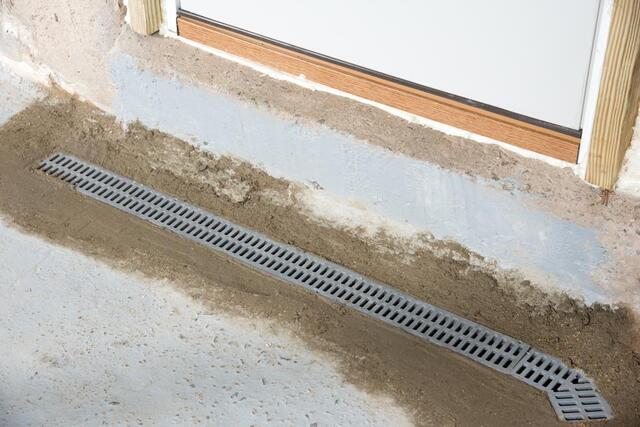
Drainage Systems (Interior & Exterior)
One of the most effective long-term solutions.
What they are:
Systems designed to collect and redirect water away from your foundation.
Best for:
- Ongoing water intrusion
- Hydrostatic pressure issues
- Basements with recurring leaks
Limitations:
- Requires professional installation
- More involved than DIY options
Sump Pumps & Discharge Systems
A critical component of many basement waterproofing systems.
What they are:
Pumps that remove collected water from your basement and discharge it safely away from your home.
Best for:
- Flood-prone basements
- Homes with drainage systems
- High water tables
Limitations:
- Requires maintenance
- Needs backup power for reliability
Waterproof Membranes (Exterior Solutions)
These are among the most powerful waterproofing materials available.
What they are:
Heavy-duty membranes applied to the exterior foundation walls to block water before it enters.
Best for:
- New construction or major renovations
- Severe water intrusion issues
- Long-term protection
Limitations:
- Requires excavation
- Higher upfront cost
What’s the Best Basement Waterproofing Material Overall?
The truth is, there isn’t a single “best” material for every situation. The most effective basement waterproofing solutions combine multiple materials into a complete system.
For example, a home with ongoing water intrusion may need a drainage system, sump pump, and vapor barrier working together. Surface-level products like coatings can help in minor cases, but they rarely solve deeper issues on their own.
That’s why choosing the right combination matters more than choosing just one product.
Quick Comparison of Basement Waterproofing Materials
| Material | Best For | Limitation |
| Coatings & Sealants | Not Recommended | Not for active leaks |
| Vapor Barriers | Moisture control | Not waterproofing |
| Drainage Systems | Water management | Needs installation |
| Exterior Membranes | Full protection | Higher cost |
DIY Basement Waterproofing Materials: Do's and Don'ts
DIY basement waterproofing can help—but only in the right situations.
What you can do:
- Seal small cracks with waterproof caulk
- Apply waterproof coatings for minor dampness
- Improve drainage around your home (gutters, grading)
What you shouldn’t rely on DIY for:
- Active water leaks
- Standing water or flooding
- Structural foundation cracks
- Persistent moisture problems
Many homeowners spend time and money on products that don’t address the real issue. The result? The problem keeps coming back.
Why a Professional Basement Waterproofing Inspection Matters
Water problems are rarely just surface-level. A professional inspection identifies:
- The true source of water intrusion
- Pressure buildup around your foundation
- Hidden cracks or structural concerns
- The right combination of materials—not just one fix
A properly designed system often combines multiple basement waterproofing materials—like drainage systems, sump pumps, and vapor barriers—to create a complete solution.
That’s where working with an experienced basement waterproofing company makes all the difference. Instead of guessing which materials to use, you get a system designed specifically for your home.
Why Homeowners Trust HomeSpec for Basement Waterproofing
Homeowners choose HomeSpec because we don’t rely on one-size-fits-all solutions.
We take a system-based approach to basement waterproofing by:
- Performing detailed inspections to find the root cause
- Recommending the right combination of materials and solutions
- Installing proven systems designed for long-term performance
- Backing our work with experience and local expertise
Instead of temporary fixes, we focus on solutions that keep your basement dry for years to come.
Signs You’re Using the Wrong Waterproofing Materials
Not sure if your current solution is working? Look for these warning signs:
- Water keeps coming back after heavy rain
- Paint or sealant is peeling off walls
- You notice musty odors or mold growth
- Cracks are getting larger over time
- You’re constantly reapplying products
If you’re seeing any of these, it’s time to rethink your approach.
Get the Right Basement Waterproofing Solution for Your Home
Choosing the best materials for basement waterproofing isn’t just about products—it’s about solving the problem at its source.
If you’re dealing with leaks, moisture, or foundation concerns, a professional evaluation can save you time, money, and frustration.
FAQ: Basement Waterproofing Materials
What is the best material for basement waterproofing?
There isn't a single best material for every home. The right solution depends on how and where water is entering your basement. In many cases, a combination of
drainage systems, sump pumps, vapor barriers, and waterproof membranes provides the most effective long-term protection.
Is exterior waterproofing better than interior?
Exterior waterproofing offers stronger protection, but interior systems are often more practical and cost-effective for existing homes.
Can I waterproof my basement myself?
You can handle small fixes, but most water issues require professional solutions for long-term results.
